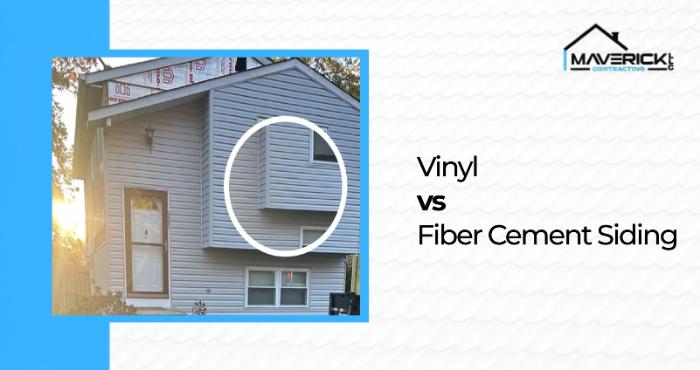
Compare cost, durability, upkeep and looks, then decide with honest guidance which is better between vinyl siding vs fiber cement.
Weighing vinyl siding vs fiber cement siding?
Neither material wins in every situation. Vinyl siding is the value and low-upkeep pick, while fiber cement siding is the durability and curb-appeal pick. The right answer depends on your budget, your local weather, and how long you plan to keep the house.
This guide compares vinyl siding and fiber cement siding in plain English, with no hype and no fine print. By the end, you will know which one fits your home.
The Short Answer: It Depends on Your Plans
- Pick vinyl siding if you want a lower upfront cost, a faster install, and simple upkeep.
- Pick fiber cement siding if this is a long-term home and you want a painted-wood look with strong impact resistance.
- Think about the whole exterior, siding works as one system with your roof, gutters, and windows, so plan it that way.
Below, we break every major factor down so your choice is a decision, not a guess.
What Is Vinyl Siding?
Vinyl siding is a pre-finished exterior cladding made from PVC compounds. It became the most common siding in the country because vinyl siding is affordable, widely available, and quick to install.
Vinyl siding at a glance:
- Upfront cost: vinyl siding usually costs less installed than fiber cement siding.
- Upkeep: vinyl siding never needs paint, and a garden hose rinse clears most dirt.
- Repairs: a single damaged vinyl siding panel can often be swapped without opening the whole wall.
- Styles: modern vinyl siding comes in many colors, profiles, and thicker insulated options.
Where Vinyl Siding Shines
Vinyl siding handles humid climates well because it does not rot, swell, or need sealing. For starter homes, rentals, and budget-conscious exterior refreshes, vinyl siding is hard to beat.
Where Vinyl Siding Falls Short
Vinyl siding can crack under a hard impact, show seams on long walls, and fade slowly after decades of strong sun. Vinyl siding is also the wrong call where local code asks for fire-resistant materials, so always verify for your lot.
What Is Fiber Cement Siding?
Fiber cement siding is a blend of cement, sand, and cellulose fibers pressed into boards that look like painted wood. Fiber cement siding is the pick when the goal is a solid, architectural exterior.
Fiber cement siding at a glance:
- Durability: fiber cement siding resists dents, rot, and sun damage better than vinyl siding.
- Fire resistance: fiber cement siding is fire-resistant, a real advantage where code or tight lot lines require it.
- Look: fiber cement siding mimics wood grain and holds paint beautifully.
- Upkeep: fiber cement siding is low-maintenance, yet it does need repainting on a cycle.
Where Fiber Cement Siding Shines
Keeper homes, historic-looking neighborhoods, and owners who plan to stay put for a long time get the most from fiber cement siding.
Where Fiber Cement Siding Falls Short
Fiber cement siding costs more upfront, weighs more, installs slower, and needs special cutting tools with careful dust control.
Vinyl Siding vs Fiber Cement Siding: Comparison
1. Cost
Vinyl siding wins on upfront cost. Installed vinyl siding typically runs well below fiber cement siding because the material is lighter and the labor is faster.
2. Durability
Fiber cement siding takes impacts and sun exposure better. Quality vinyl siding handles normal weather fine, yet a ladder bump or hail can crack a panel.
3. Maintenance
Vinyl siding asks for little more than an occasional rinse. Fiber cement siding is low-maintenance but still needs repainting every so many years. Every siding needs some care, so low-maintenance is not the same as no-maintenance.
4. Curb Appeal
Fiber cement siding looks closer to painted wood from the curb. That said, thicker vinyl siding profiles with hidden fasteners have closed the gap quite a bit.
5. Energy Performance
Neither siding is insulation by itself. Insulated vinyl siding and a proper wall system may support better thermal performance, yet no siding guarantees lower energy bills.
6. Installation and Timeline
Vinyl siding installs faster and quieter. Fiber cement siding needs more labor hours, special tools, and careful dust control, which adds to the price.
Quick Comparison at a Glance
- Upfront cost: vinyl siding lower, fiber cement siding higher
- Impact and sun resistance: fiber cement siding stronger
- Painting: vinyl siding never, fiber cement siding on a cycle
- Wood-like look: fiber cement siding wins
- Install speed: vinyl siding faster
- Fire resistance: fiber cement siding stronger
Which One Is Better for Your Home?
When vinyl siding is the smarter fit:
- Your budget has a ceiling and the numbers matter.
- You may sell or refinance within a few years.
- The property is a rental or a second home.
- You want the simplest upkeep routine possible.
When fiber cement siding is the smarter fit:
- This is a long-term or forever home.
- You want a painted-wood look with crisp shadow lines.
- Local code or lot lines favor fire-resistant materials.
- Your budget allows for the higher installed cost.
Call a Contractor to Choose Between Vinyl and Fiber Cement Siding
If you are still weighing vinyl siding against fiber cement siding, the fastest way to decide is an honest look at your walls, your budget, and your plans.
Maverick Contracting is a people-first exterior contractor serving approved areas of Maryland, Delaware, Virginia, and Pennsylvania. See why homeowners choose Maverick, check our service areas, or request an honest assessment when you are ready.
FAQs About Vinyl Siding vs Fiber Cement
1. Is vinyl siding cheaper than fiber cement siding?
Yes. Vinyl siding is almost always the lower installed cost, sometimes by a wide margin depending on profile and accessories.
2. Can I switch from old wood siding to vinyl siding?
In most cases, yes. The old cladding is assessed first, and any damaged sheathing is corrected before new vinyl siding goes on.
3. Does fiber cement siding guarantee a higher resale value?
No honest contractor can guarantee that. Fiber cement siding may improve curb appeal and buyer perception, yet resale results vary by market.