
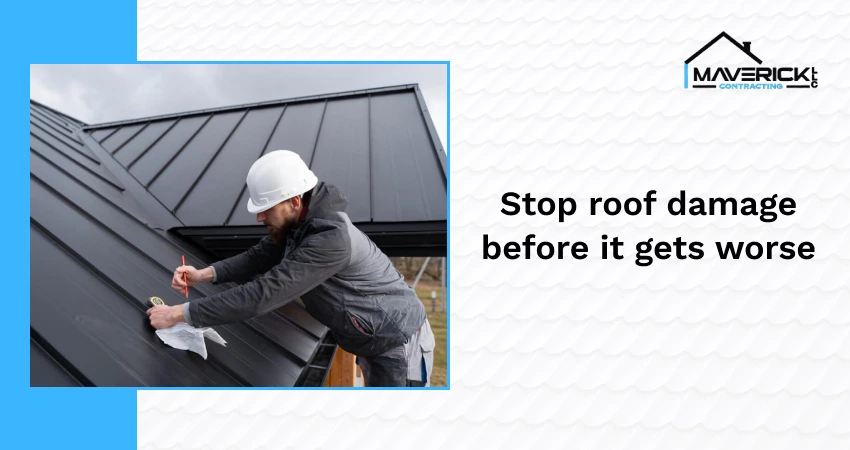
Winter can be tough on residential roofs. Snow accumulation, ice buildup, strong winds, and freezing temperatures often create hidden damage that may not be immediately visible once the weather warms up. A thorough spring roof inspection helps homeowners identify potential problems early and prevent expensive structural issues later.
Regular inspections also extend the lifespan of roofing systems by ensuring that small problems are addressed before they become major repairs. Whether you perform a visual inspection yourself or schedule a professional evaluation with a roofing contractor in Maryland, understanding what to look for after winter is essential to maintaining a safe, durable roof.
Why spring roof inspections are important
Seasonal inspections are a crucial part of responsible home maintenance. Winter weather can weaken roofing materials, loosen flashing, and create conditions that allow water to seep into the structure.
A proper inspection helps homeowners:
- Detect minor issues before they require major roof repair
- Prevent moisture damage inside the home
- Maintain energy efficiency and insulation performance
- Extend the lifespan of shingles and roofing materials
- Protect the structural integrity of the property
If problems are detected early, a professional roofing company can address them quickly and prevent further deterioration.
1. Start with a ground-level visual inspection
Before climbing onto the roof, begin with a simple visual inspection from the ground. Many signs of damage can be spotted safely from a distance.
Look for the following warning signs:
- Missing, cracked, or curling shingles
- Dark patches or uneven sections on the roof
- Debris accumulation, such as branches or leaves
- Sagging areas that may indicate structural stress
- Pieces of roofing materials in the yard
These indicators often suggest winter damage that may require professional attention from a roofing contractor.
2. Check for damaged or missing shingles
Shingles are the first line of defense against the weather. During winter, ice and strong winds can loosen or crack them.
Inspect your roof for:
- Shingles that appear lifted or misaligned
- Cracked or brittle surfaces caused by freezing temperatures
- Granule loss that exposes the underlying material
- Completely missing shingles
Damaged shingles allow water to penetrate the roofing system, often leading to leaks and costly roof repairs if not addressed promptly.
3. Inspect roof flashing and sealants
Flashing protects the vulnerable areas of your roof where water can easily enter, such as around chimneys, skylights, and vents. Winter temperature fluctuations can cause flashing to loosen or sealants to crack.
Homeowners should look for:
- Rusted or bent flashing pieces
- Gaps between flashing and roofing materials
- Dried or cracked sealant around roof penetrations
If flashing issues are detected, contacting a professional roofing company ensures the problem is repaired properly before leaks develop.
4. Examine gutters and downspouts
Gutters play a vital role in directing water away from your roof and foundation. During winter, ice dams and debris buildup can damage gutter systems.
A spring inspection should include checking for:
- Loose or sagging gutters
- Blockages from leaves, twigs, or roofing granules
- Cracks or leaks in gutter joints
- Improper drainage away from the home
Clean, functional gutters help prevent water from backing up onto the roof and causing moisture-related roof repairs.
5. Look for signs of roof leaks indoors
Roof damage is not always visible from the outside. Sometimes the first signs appear inside the home.
Homeowners should also inspect key interior areas of the home, including the attic, ceilings, and upper walls, as well as spaces around skylights or ventilation openings. These areas often reveal early signs of roof leaks or moisture intrusion that may not be visible from the outside.
Common signs of roof leaks include:
- Water stains or discoloration on ceilings
- Mold or mildew odors in the attic
- Damp insulation or wood beams
- Peeling paint near the ceiling
These symptoms often indicate that moisture has already entered the roofing system and should be addressed quickly by an experienced roofing contractor.
6. Inspect roof vents and ventilation systems
Proper roof ventilation plays an important role in regulating attic temperature and preventing moisture buildup inside the home. After winter, vents and ventilation pathways may become damaged or blocked due to snow, ice, or debris.
During a spring inspection, homeowners should check for cracked vent covers, clogged ventilation openings, loose vent flashing, or signs of moisture and condensation in the attic. If ventilation problems are ignored, they can lead to mold growth, insulation damage, and premature deterioration of the roofing system.
7. Check for moss, algae, or mold growth
Moisture trapped during winter can create the perfect conditions for biological growth on the roof surface. Moss and algae may appear harmless at first, but over time, they can slowly damage roofing materials and weaken the roof’s structure.
Homeowners should look for green moss growing between shingles, dark streaks that indicate algae growth, or mold developing in shaded areas of the roof. If these signs are present, it is best to contact a professional roofing company that can recommend safe cleaning methods to remove the growth without harming the roofing materials while restoring the roof’s appearance.
8. Inspect chimneys and skylights
Chimneys and skylights create natural openings in the roof that require special protection. Winter weather can cause seals to deteriorate or flashing to shift.
During your spring inspection, check for:
- Cracked chimney mortar or loose bricks
- Damaged flashing around skylight frames
- Moisture stains near skylight interiors
- Gaps in sealant that may allow water entry
Addressing these issues promptly can prevent leaks that require extensive roof repairs later.
When to call a professional roofing contractor
While homeowners can perform basic inspections, certain situations require professional expertise.
Consider contacting a roofing contractor if you notice:
- Large areas of missing shingles
- Significant sagging or structural damage
- Persistent roof leaks
- Extensive flashing or ventilation issues
- Storm damage from winter weather
A qualified professional has the tools and experience to safely inspect and repair roofing systems while identifying hidden problems that may not be visible to homeowners.
Protect your roof with professional roofing services
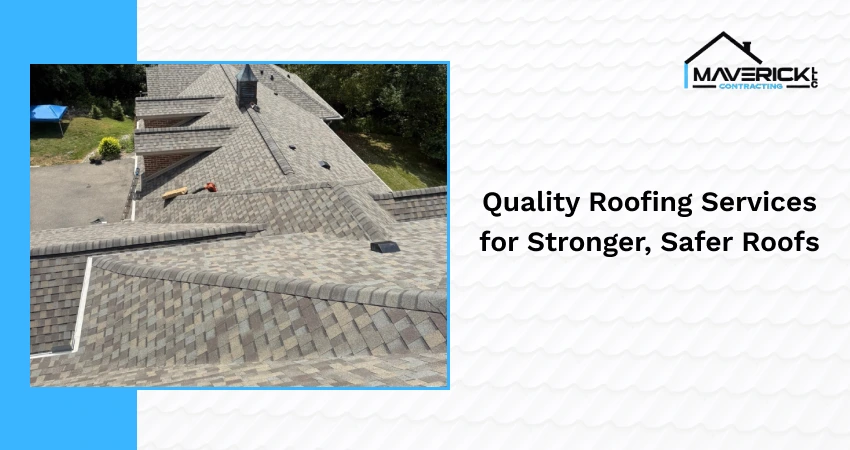
Regular inspections and timely maintenance are essential for protecting your home after harsh winter conditions. If your roof shows signs of damage or requires expert evaluation, working with a trusted roofing company in Maryland ensures the problem is handled properly.
Maverick Contracting LLC provides professional roofing inspections, dependable roof repair, and complete roofing solutions designed to protect homes from seasonal damage.
Serving homeowners across Maryland, Virginia, Delaware, and Pennsylvania, our team delivers reliable workmanship and durable roofing systems built to withstand changing weather conditions.
If your roof needs attention after winter, contact us today and schedule a professional inspection to keep your home protected year-round.
FAQs
1. How often should homeowners schedule a roof inspection?
Homeowners should schedule a professional roof inspection at least once a year, preferably in spring or fall. Seasonal inspections help identify damage early and prevent costly repairs later.
2. What are the most common roof problems after winter?
Common post-winter roof problems include missing shingles, damaged flashing, clogged gutters, ice-dam damage, and roof leaks caused by trapped moisture.
3. Can I inspect my roof myself?
Homeowners can perform a basic visual inspection from the ground or inside the attic. However, climbing onto the roof can be dangerous. Hiring a professional roofing contractor ensures a safe and thorough inspection.
4. When should I schedule roof repair after winter damage?
Roof repair should be scheduled as soon as damage is noticed. Small issues can quickly become major structural problems if left unrepaired.
5. Why should I choose Maverick Contracting LLC for roofing services?
Maverick Contracting LLC provides professional inspections, reliable roof repair services, and high-quality roofing solutions for homeowners across Maryland, Virginia, Delaware, and Pennsylvania. Our experienced team focuses on durable results and dependable service.